
Hydrogen Inhalation Therapy
Understand the Science. Explore Your Options.
Hydrogen inhalation therapy is an emerging wellness service that involves breathing a controlled gas mixture containing molecular hydrogen, or H₂. Researchers are studying how molecular hydrogen may interact with biological processes associated with oxidative stress and inflammation. Because the science is still developing, an informed conversation should include both the areas being studied and the limits of current evidence.
At Regenerative Health Institute in Fishers, we begin by discussing your health history, current care, and the goals that prompted your interest. Hydrogen inhalation is not a replacement for prescribed medication, emergency care, or treatment from your medical providers.
Speak with our team about hydrogen inhalation therapy.
Call (317) 548-1020 or request an appointment.
Conditions and Wellness Goals Being Studied

Human studies have explored molecular hydrogen in a wide range of settings. Research remains preliminary for many uses, and being studied does not mean a condition has been proven to respond. People commonly ask about hydrogen inhalation in connection with:
- Oxidative stress and inflammatory processes
- Exercise-related fatigue and physical recovery
- General wellness and energy goals
- Respiratory wellness and recovery support
- Metabolic and cardiovascular health research
- Neurologic health and cognitive-aging research
Your diagnosis, medications, and existing treatment plan matter. We can help you develop appropriate questions and determine whether this service should be discussed with another member of your healthcare team.
What Is Hydrogen Inhalation Therapy?
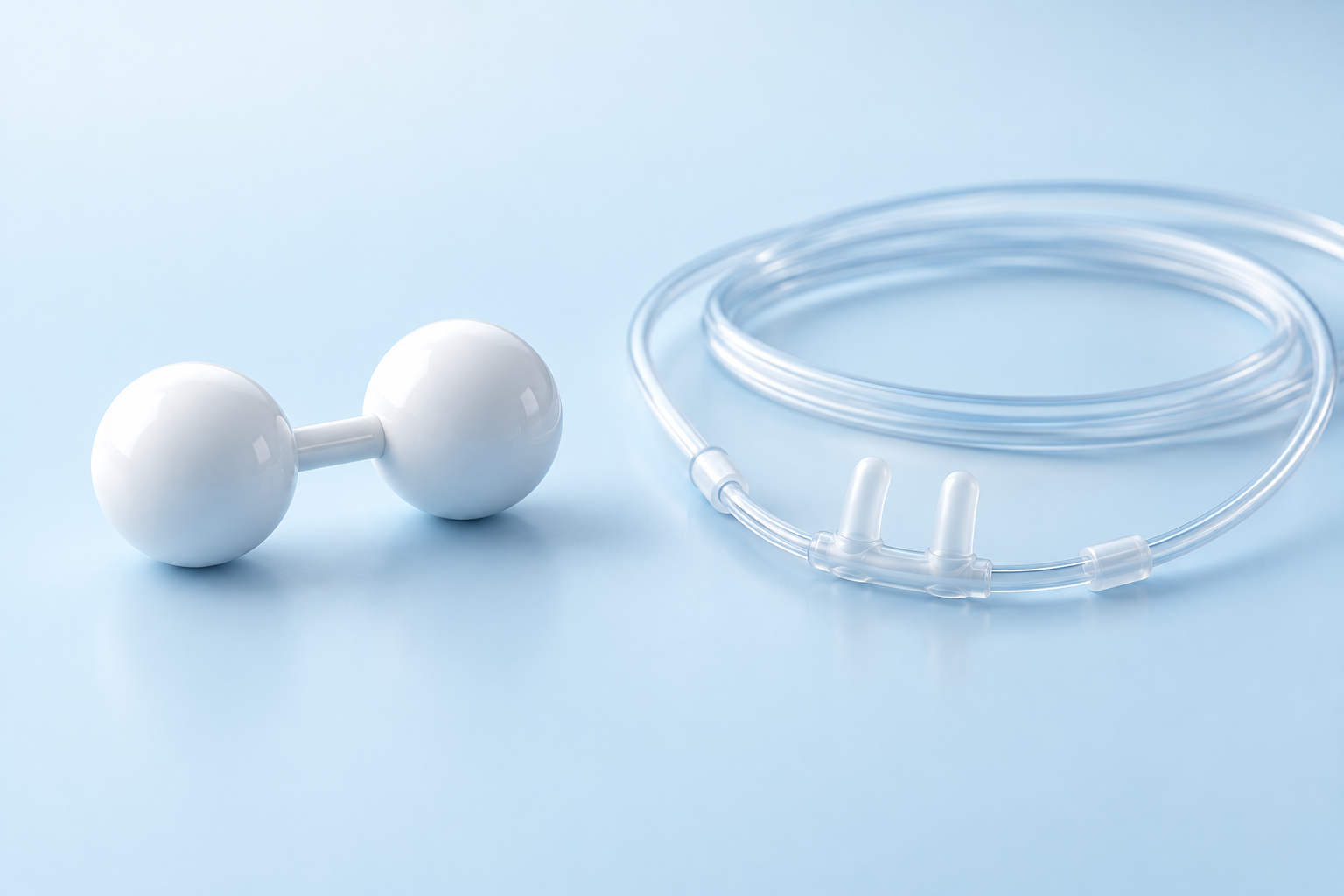
During a session, a delivery system produces a measured gas mixture that is breathed through a nasal cannula. This method differs from drinking hydrogen-rich water, and findings involving one form of hydrogen should not automatically be applied to another.
The proposed biological effects are still being investigated. Current research often focuses on oxidative stress, inflammatory signaling, and cellular responses, but hydrogen inhalation has not been established as a cure for chronic disease. The equipment, concentration, session length, and treatment schedule can also differ between studies and providers.
Potential Benefits
Depending on the individual and the reason treatment is being considered, potential advantages may include:
- A non-invasive session with no injection or incision
- The ability to rest comfortably during administration
- A wellness option that may be incorporated alongside established care
- Interest in supporting recovery from exercise-related stress and fatigue
- A supervised setting where equipment and safety procedures can be explained
- A structured way to track whether the service is meeting a clearly defined goal
Benefits are not guaranteed, and the quality of evidence varies substantially by condition. Before beginning, ask what outcome will be monitored and when the plan should be reassessed.
Safety and Questions to Ask

Bring a current list of medications, supplements, diagnoses, and treatments to your consultation. Useful questions include:
- What evidence applies to my particular goal?
- What equipment, gas concentration, and safety procedures are used?
- How long is a session, and what schedule is proposed?
- What are the costs, limitations, and realistic expectations?
- How will we decide whether continuing makes sense?
Hydrogen gas is flammable, making properly designed equipment and careful handling essential. It should never be attempted as a do-it-yourself treatment. Tell the clinician if you feel uncomfortable during a session, and continue all prescribed care unless your treating medical provider advises otherwise.
Make an Informed Choice
You deserve clear answers before committing to any emerging wellness service. Call Regenerative Health Institute at (317) 548-1020 to discuss hydrogen inhalation therapy in Fishers, the goals you hope to address, and the questions that matter to you.