
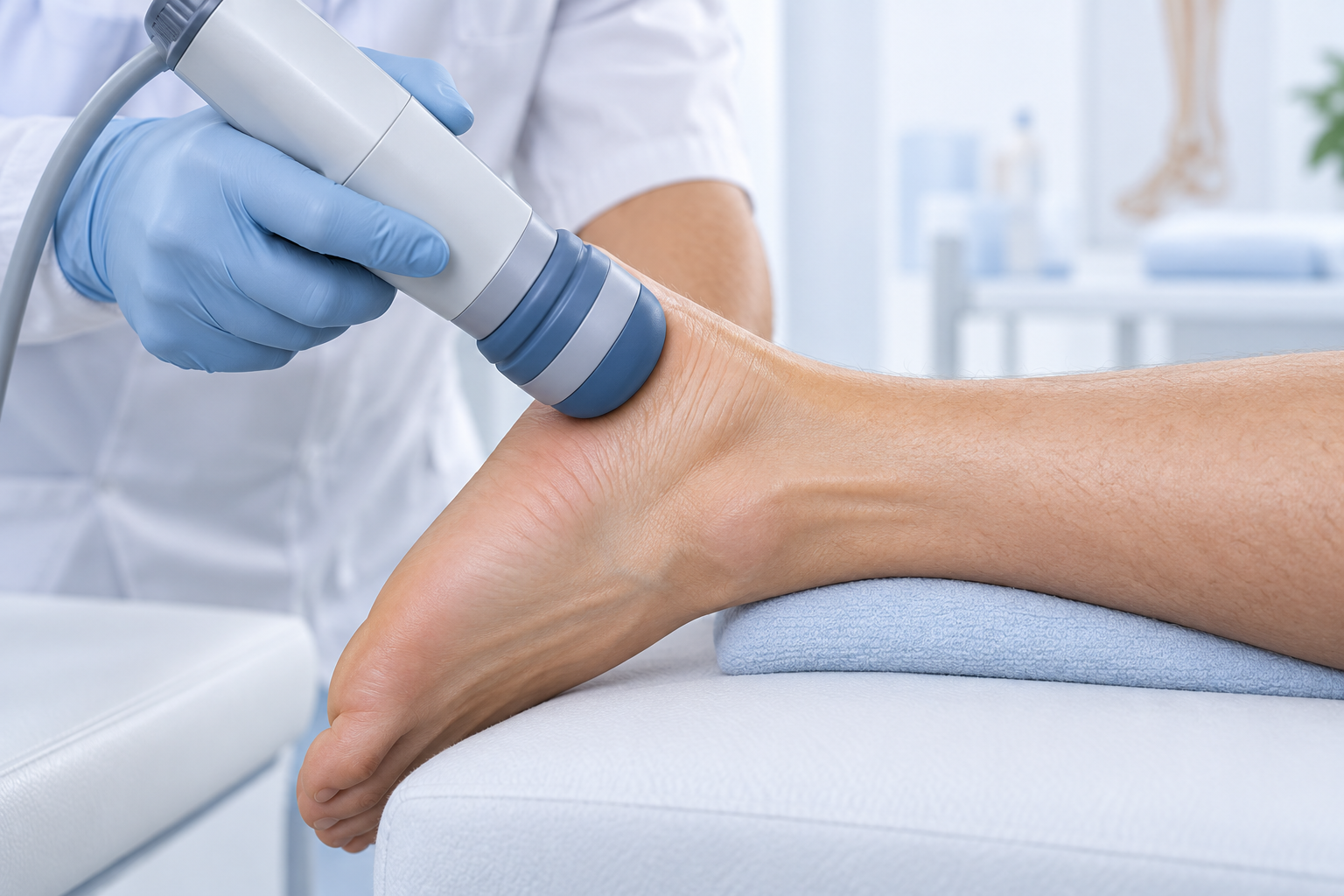
Shockwave Therapy
Get Help for Pain That Keeps Interrupting Your Day
Persistent heel, tendon, or soft-tissue pain can make walking, working, and exercise increasingly difficult. When rest and basic home care have not provided enough improvement, shockwave therapy may be considered as one part of a broader rehabilitation plan.
At Regenerative Health Institute, we first discuss where your pain occurs, what activities aggravate it, how long it has been present, and what treatment you have already tried. That evaluation helps determine whether the problem appears appropriate for shockwave therapy or whether another approach is more suitable.
Find out whether shockwave therapy could fit your care plan.
Call (317) 548-1020 or request an appointment.
Conditions Shockwave Therapy May Treat
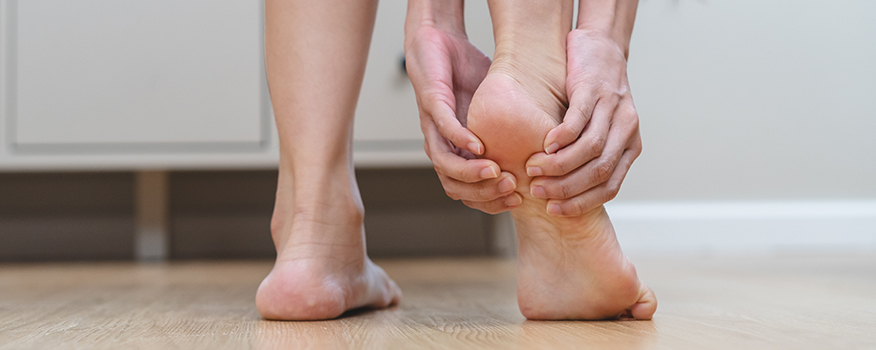
Shockwave therapy is most often considered for persistent tendon and related soft-tissue conditions. Depending on the evaluation, it may be used for:
- Plantar fasciitis and chronic plantar heel pain
- Achilles tendinopathy
- Patellar tendinopathy, sometimes called jumper’s knee
- Tennis elbow and golfer’s elbow
- Rotator cuff–related shoulder pain and calcific tendinopathy
- Selected cases of hip-area tendon pain
- Other chronic tendon or soft-tissue problems that have not improved with initial care
Not all pain comes from a tendon. Fractures, nerve problems, joint disease, and other conditions can produce similar symptoms, so an accurate assessment is important before treatment begins.
What Is Shockwave Therapy?
Extracorporeal shockwave therapy, or ESWT, delivers acoustic pulses through the skin to a targeted area. No incision is required. The treatment is intended to create a controlled mechanical stimulus in the affected tissue and support the body’s healing response.
Focused shockwave and radial pressure-wave devices are not identical. The equipment, energy level, number of pulses, and treatment schedule should be chosen for the condition and the person receiving care. Evidence and outcomes vary by diagnosis and treatment method.
Potential Benefits of Shockwave Therapy
When it is appropriate for the condition being treated, shockwave therapy may offer:
- A non-surgical, incision-free treatment option
- Targeted care for a specific painful tendon or soft-tissue area
- Reduced pain and tenderness over time
- Improved comfort during walking, exercise, work, or daily activity
- Support for mobility and function as rehabilitation progresses
- The ability to combine treatment with therapeutic exercise and physical therapy
- Minimal interruption to many normal daily activities
Improvement often develops gradually rather than immediately. Shockwave therapy does not guarantee relief, and following the recommended exercise or activity plan remains an important part of recovery.
What to Expect During Treatment
A clinician identifies the treatment area and applies gel to help transmit the acoustic pulses. An applicator is then moved over the targeted tissue. You may feel tapping, pressure, or temporary discomfort. Tell the clinician what you feel so the intensity can be adjusted when appropriate.
A plan may involve several sessions, followed by reassessment. The number and spacing of visits depend on the condition, the device, and how you respond.
Recovery, Risks, and Follow-Up

Temporary soreness, redness, swelling, or bruising can occur after treatment. Rare complications may include tendon injury. Your clinician should review your medical history, medications, pregnancy status, circulation, implanted devices, and other relevant risks before recommending care.
Shockwave therapy may be paired with strengthening, mobility work, footwear changes, or temporary activity modification. Follow the aftercare instructions for your condition and discuss how pain, function, and activity tolerance will be measured.
Start With an Evaluation
Tell us what pain is keeping you from doing. Call Regenerative Health Institute at (317) 548-1020 to discuss shockwave therapy in Fishers and take the next step toward a plan based on your symptoms and goals.